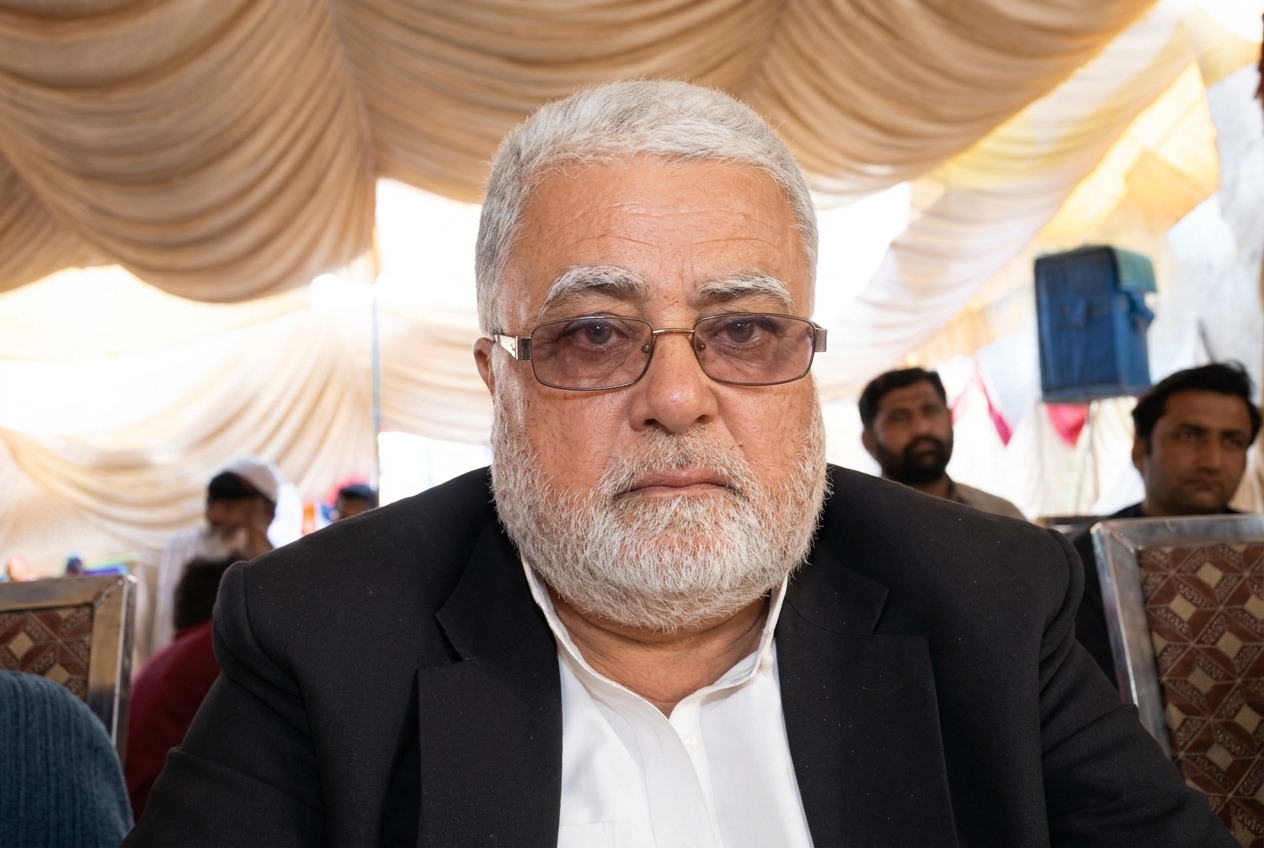
Capt. Umar Farooq Highlights Threats to National Unity and Calls for Institutional Accountability, Youth Engagement and Inter-Provincial Harmony
(By Capt. Umar Farooq)
Pakistan emerged nearly eight decades ago as a homeland for the Muslims of the subcontinent. Since independence, the country has faced wars, internal conflicts, security threats, political instability and economic challenges.
The 1971 separation of East Pakistan remains one of the most painful chapters in the country’s history. Internal political failures and external factors contributed to the tragedy. Pakistan has also experienced devastating floods, earthquakes, cloudbursts and other climate-related disasters. Corruption, mismanagement and economic instability have further complicated its development.
Despite these challenges, Pakistan continues to move forward. However, national unity and public confidence in state institutions remain essential to its stability.
National Unity Faces New Challenges
Pakistan is confronting growing social and political divisions. Social media platforms, anonymous accounts and unverified information can intensify hostility among communities and political groups.
Negative narratives targeting state institutions, including the Pakistan Army and Police, have also become part of public debate. At the same time, tensions between provinces and communities threaten the spirit of national harmony.
Reports of violence against people on the basis of their provincial identity, including attacks on Punjabis in Balochistan, highlight the serious consequences of intolerance and division.
The younger generation is particularly vulnerable to misinformation, online manipulation and extremist narratives. When political disagreements turn into personal hostility or calls for violence, the foundations of social cohesion become weaker.
Public Trust and Institutional Responsibility
A country’s armed forces and law enforcement agencies depend not only on professional capability but also on public confidence and institutional credibility.
The Pakistan Armed Forces have faced multiple security challenges, including tensions with India and operations against militant groups such as the Taliban and the Balochistan Liberation Army (BLA).
However, national security cannot depend on military strength alone. Public trust, constitutional governance, transparency, justice and effective civilian institutions are equally important.
Constructive criticism of public institutions should remain part of democratic life. At the same time, misinformation, incitement to violence and deliberate attempts to create hostility among citizens must be addressed through lawful and transparent measures.
Eleven Steps to Strengthen Pakistan’s Unity
The present situation requires coordinated efforts from the government, civil society, political leadership, educational institutions, religious scholars and the media. The following measures can help strengthen national integration:
1. Promote National Unity Through Education
Educational institutions should promote national history, constitutional values, responsible citizenship and respect for all communities. Students should understand the importance of national unity and the role of public institutions.
2. Encourage Respectful Political and Social Discourse
Political leaders, public figures and young people should avoid abusive language and personal attacks. Differences of opinion must be expressed peacefully and respectfully.
3. Expand Sports and Intellectual Activities
Schools, colleges and universities should organize sports competitions, debates, cultural programmes and intellectual activities. Speech competitions on national integration can encourage young people to discuss Pakistan’s future constructively.
4. Encourage Responsible Writing and Media Coverage
Writers, journalists and intellectuals should promote dialogue, tolerance and national harmony. Media organizations should verify information before publication and distinguish facts from opinion.
5. Strengthen Engagement Between Institutions and Students
Educational outreach programmes involving the Inter-Services Public Relations (ISPR), universities and other public institutions can encourage informed discussions. Similar opportunities should be extended to schools and colleges, with space for questions and constructive feedback.
6. Address Grievances in Khyber Pakhtunkhwa and Balochistan
The concerns of young people in Khyber Pakhtunkhwa and Balochistan require serious attention. The government should investigate the social, economic and political factors contributing to militancy and alienation.
Independent research commissions can examine the causes of radicalization, recruitment by militant groups and public distrust of law enforcement agencies. Their findings should lead to practical reforms.
7. Promote Responsible Use of Social Media
Social media platforms offer opportunities for communication and public participation, but they can also spread misinformation and incitement. The government should strengthen digital literacy, address unlawful online activity through due process and protect legitimate freedom of expression.
8. Strengthen Inter-Provincial Harmony
Federal ministers and political leaders should regularly engage with communities in areas facing security and development challenges. Greater interaction among provinces can reduce misunderstandings and strengthen national cooperation.
9. Ensure Accountability and Timely Justice
Corruption and misconduct within all public institutions must be addressed without discrimination. Transparent accountability, independent investigations and timely court proceedings can strengthen public confidence and reduce frustration.
10. Create More Opportunities for Young People
Employment, professional training, entrepreneurship and educational opportunities are essential for the country’s future. Motivational programmes and career guidance can help young people contribute positively to society.
Media organizations should also prioritize accurate, verified and responsible reporting.
11. Promote Peace and Tolerance Through Religious Leadership
Religious scholars and mosque Imams can use Friday sermons and other gatherings to promote moderation, tolerance, peaceful coexistence and respect for human life. They should discourage violence, hatred and abusive behaviour.
Pakistan’s Future Depends on Collective Responsibility
Pakistan belongs to all its citizens. Its security, stability and progress require cooperation among the government, armed forces, police, civil society, political parties and the public.
The sacrifices of military personnel, police officers and other law enforcement officials deserve recognition. At the same time, every institution must maintain high standards of professionalism, transparency and accountability.
National unity cannot be achieved through force or slogans alone. It requires justice, equal opportunities, mutual respect, constitutional rights and public trust.
We must reject terrorism, extremism, provincial hatred and violence while protecting peaceful disagreement and responsible criticism.
Pakistan is our homeland and our collective responsibility. Every citizen has a role in protecting its unity, strengthening its institutions and building a peaceful future for the next generation.
Let us work together for a stronger, peaceful and united Pakistan. Long Live Pakistan!